Ever noticed itching, pain or a little blood after using the toilet and thought, ‘Wait… is this normal?’ For many people, these are the first signs of piles, also called hemorrhoids. If you can relate to this then you suffer from piles which is also known as Hemorrhoids. Trust me, you are not the only one. Many people suffer from piles but the reason they do not speak up is simply because it is awkward.
The good news is that piles can be treated without the use of surgery. Many people do gain relief with straightforward changes in lifestyle and home remedies for piles. The secret is figuring out what is effective, what foods to consume and what time is appropriate to seek professional assistance.
This blog will cover 10 ways to recover from piles at home, which will be explained in a way that will not be too stressful or complex.
What Are Piles?
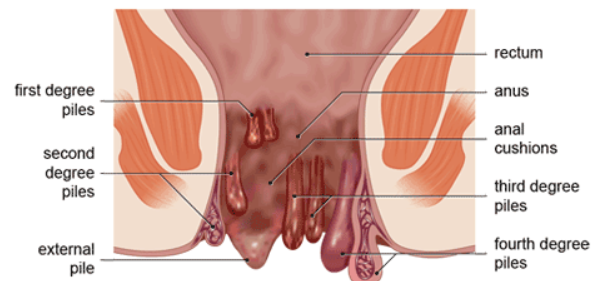
The piles are either external (surrounding the anus) or internal (deep within the rectal cavity) stretched veins in the anus or rectum. While internal piles can cause discomfort, external piles can lead to pain, itching, and even bleeding after changing positions or engaging in vigorous activities. This bleeding can get worse with time and may lead to anemia.
The most common causes are genetic constipation chronic, acute pregnancies, and straining constipation, prolonged sitting and chronic conditions. Although it may sound scary, in most cases, and early-stage cases especially, it can be managed successfully without surgical intervention.
10 Ways to Recover from Piles at Home
1. Eat a High Fiber Diet
Above all else, constipation must never be given the upper hand and the only option for that is fiber. Foods like fruits, vegetables, oats, brown rice, flax seeds and legumes will all add bulk to stools and make them softer and easier to pass.
Pro tip: Target for 25–30grams of fiber consumption daily.
2. Stay Hydrated
With insufficient fluids, the fiber just sits in the gut. Thus, digestion takes place with the aid of water. The 8-10 glasses of water rule should be implemented daily because water has a mild laxative effect and therefore softens stools, reduces strain and helps to flush.
Herbal teas and coconut water are also great; however, reduce the consumption of caffeine and alcohol as they have diuretic properties.
3. Warm Sitz Baths
A sitz bath is essentially soaking one’s lower half in warm water 10-15 minutes long for 2-3 times daily. It relaxes anal sphincters, minimizes inflammation and alleviates discomfort.
For additional relief, consider adding a tiny amount of table salt and water or an antiseptic solution.
4. Use Cold Compresses to Decrease Swelling
For more acute phases of pain and edema, an ice pack (wrapped in a cloth of course) can do magic when applied for 10 minutes at a time. It is important to note that, although inflammation is part of the normal healing, it can be excessive.
In these cases the cold reduces inflammation and the ‘burning’ type of pain, and the ice temporarily numbs the area.
5. Natural Topical Remedies
- Use natural alternatives instead of stronger products.
- Witch hazel pads (helps with itching and inflammation)
- Aloe Vera Gel (cool and helps reduce inflammation)
- Coconut oil (helps with skin irritation and moisture)
6. Over-the-Counter Relief
These days, it is acceptable to self-diagnose and self-medicate and with OTC skin therapeutics, ointments and suppositories, it is plausible to achieve symptomatic relief while managing certain skin disorders. There are varying products with additional formulation of hydrocortisone and/or lidocaine.
7. New And Improved Toilet Habits
This one is underappreciated. The toilet position also matters. Squatting or raising your legs with a foot rest straightens your rectum and facilitates easier stool passage.
Also:
Do not hold it in.
Do not strain or sit for 20 minutes without passing stool while scrolling on your phone.
In and out should take 5 minutes max.
8. Maintain Mobility
Excessive uninterrupted sitting is bad, and simple activities such as walking, light yoga or swimming enhance circulation and help eliminate constipation. A duration as short as twenty minutes a day can lead to a significant improvement.
Heavy weight lifting should be avoided as it increases pressure in the anal region where piles are present.
9. Natural Stool Softeners
If fiber and water aren’t enough, try natural stool softeners:
- Isabgol
- Prunes or dried figs
- Papaya and bananas
These help you go without straining, which is key in piles recovery.
10. Avoid Irritants
Skip spicy food, processed snacks and alcohol as they irritate the gut and worsen piles. Stick to wholesome, natural foods.
For piles home remedies, eat oats, leafy greens, beans, apples and pears along with plenty of fresh salads.
Foods to Eat and Avoid in Piles
Here are some Best Foods for Piles Relief-
- Fresh fruits (papaya, apple, banana)
- Vegetables (spinach, broccoli, carrots)
- Whole grains (brown rice, oats, quinoa)
- Legumes (lentils, beans)
- Nuts and seeds
Here are some Foods to Avoid while suffering from piles-
- Fried foods and fast food
- Spicy curries
- Processed meats
- Alcohol
- Packaged snacks
When Home Remedies Might Not Be Enough
Now here’s the reality check: not all piles disappear with home remedies. If you notice:
- Heavy bleeding
- Severe pain that won’t go away
- Large lumps coming out of the anus (prolapse)
- Recurrent infections
It’s time to consult a doctor. Sometimes, medical treatments like rubber band ligation, sclerotherapy or even surgery are needed.
But the earlier you act, the better your chances of avoiding surgery.
Aftercare & Prevention Tips
Once you feel better, don’t go back to old habits. Piles have a sneaky way of coming back.
- Keep eating fiber-rich foods
- Drink water like it’s your job
- Stay active
- Don’t ignore the urge to pass stool
- Avoid sitting too long in one place
Why Consult Dr. Sandhya Gupta?
Here’s the thing that home remedies work, but sometimes you need expert guidance to rule out other conditions or to handle severe piles.
Among all general surgeons in Gurgaon, Dr. Sandhya Gupta has over 15+ years of experience specializing in treating piles. She favors conservative, non-surgical care when possible. As patients put it, her care is straightforward, practical, and devoid of undue stress. You will receive proper counsel for all of your uncertainties, along with care, whether reassurance, medical treatment, or surgery is required.
Conclusion
Piles can be annoying and painful, but it is unrealistic to expect you to suffer in silence. These 10 home remedies for piles with simple dietary changes to warm sitz baths, improved toilet behavior and other techniques can all be effective without requiring piles treatment.
Consistency is key as each one of these self care activities practiced daily can help spare you discomfort in the years ahead..
Don’t let the discomfort pile up. Make an appointment with Dr. Sandhya Gupta, is a trusted general surgeon in Gurgaon and learn how you can live pain and anxiety free.
FAQs on Piles and Home Remedies
1. Is it possible for piles to heal on its own?
Most of the time small piles do, but larger or painful piles require proper care.
2. What is the time frame for home remedies to produce results?
A couple of weeks for mild cases, whereas chronic cases take much longer.
3. Is it possible to treat piles without surgery?
Most cases can be treated with a more conservative approach, such as home remedies and lifestyle changes.