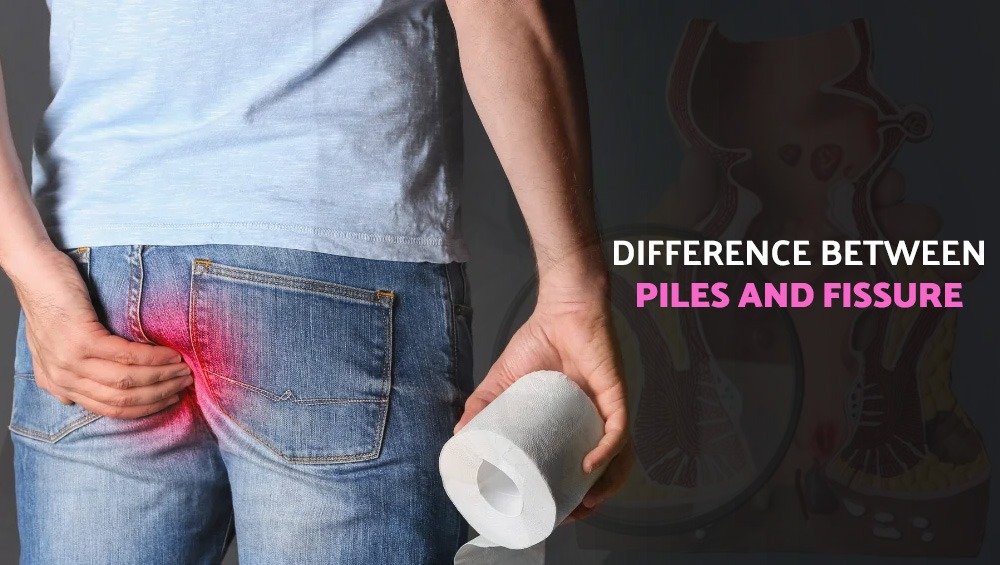
It is normal to become concerned when you experience bleeding or pain in your anal region. Most patients get anxious about reason behind these symptoms. The good news is that the most prevalent ailments piles and anal fissures are all curable and hardly cause severe complications if treated appropriately. I will explain what happens in most cases, the difference between Piles and Fissures, and what you can expect from treatment.
What are Piles?
Piles are known as inflamed veins. They can occur in the rectum and anal opening. They can develop either internally or externally and are commonly caused by:
Constipation or straining during bowel movements
- Prolonged sitting
- Lifting heavy objects
- Pregnancy
Symptoms of piles include:
- Bright red bleeding during bowel movements
- Itching or soreness
- A sense of heaviness
- Soft lumps around the anal opening
The majority of cases of piles are treatable with medications, lifestyle changes and minimal surgical intervention.
What are Anal Fissures?
Anal fissures are small tears in the lining of the anus. They often occur due to:
- Passing large or hard stools
- Chronic diarrhea
- Inflammation
Symptoms of anal fissures include:
- Sharp pain during and after bowel movements
- Bright red streaks on stool or toilet paper
- Visible cracks near the anal opening
- Muscle spasms that make bowel movements painful
Fissures usually heal in a few weeks with proper care but may need minor surgery if persistent.
Key Difference Between Piles and Fissures
While these conditions may appear similar but they have important differences. Fissure pain can be severe and sharp, whereas piles are usually mild. The bleeding from piles can drip down into the toilet, whereas fissures usually appear as streaks in the toilet paper or in the stool. Fissures can be seen as small cracks or swellings on the skin, while piles look like lumps. Fissures heal quicker than chronic piles.
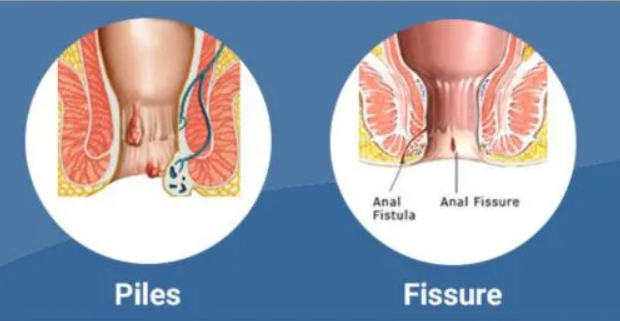
Piles vs Fissure: Quick Comparison
Treatment and Care for Piles
Most patients improve with diet and lifestyle changes:
- Consume more fiber and drink plenty of water
- Avoid straining during bowel movements
- Warm sitz baths to soothe discomfort
- Topical creams for irritation
If symptoms persist then laser surgery or banding might be necessary.
Treatment and care for Anal Fissure
Fissures require care to minimize pain and promote healing:
- A high fiber diet and adequate hydration
- Warm sitz baths to relax muscles and increase blood flow
- Lateral Internal Sphincterotomy may be needed in chronic cases
How I Ensure Safe and Effective Treatment
As a general surgeon specializing in piles and fissures, here’s my approach:
Thorough pre-treatment evaluation: Check overall health, bowel movement, and the presence of any conditions such as constipation.
Individualized treatment planning: Choose optimal therapy based on piles grade or the fissure depth.
Gentle tissue management: While treating, I use gentle tissue manipulation to maintain nerve pathways while avoiding trauma.
Accuracy in surgical technique: minimally invasive or advanced surgical techniques are used to reduce pain, bruising and scabs.
Follow-up after treatment is thorough: track the healing process and modify care as needed in the first weeks.
This cautious method has the effect that the majority of problems are recognized early and treated promptly, ensuring patients recover soon, without risking recurrence or complications.
Final thought:
Complications from piles and fissure treatment are uncommon when managed by the right surgeon. With accurate diagnosis, proper technique, and your active care, pain reduces, bleeding stops and normal bowel function returns often improving your quality of life dramatically.
Choosing the best general surgeon in Gurgaon truly matters, and experience makes all the difference. I stay committed to every patient, not just during treatment but throughout recovery and beyond. If you are still worried about whether it’s piles or a fissure, don’t stay in doubt. Book a consultation for trusted anal fissure and piles treatment. I will carefully listen, examine, and guide you step by step toward safe, effective and lasting relief.
FAQS for Piles And Anal Fissure
1. How can I tell if I have a pile or a fissure on my skin?
This is a question I get asked by many of my patients. A pile usually causes swelling, itching or a lump at the anus. However, a fissure can cause severe pain and a feeling of a cut during bowel movements. In my clinic, a quick examination can clear up the confusion in minutes.
2. Do I need to have surgery for my fissures or piles?
Not always. Most cases can be improved by diet, medication and lifestyle changes. Surgery is only recommended when simple treatment fails to resolve the problem.
3. Are piles and fissures harmful?
No they are not dangerous. But if you neglect them, daily life will become extremely uncomfortable. Also, because bleeding may be associated with other diseases at times, it's always safer to have it checked.
4. Can I treat piles and fissures at home?
Yes, increasing fiber intake, staying adequately hydrated, and taking sitz baths do a lot. But if pain or bleeding persists for more than a week or two.