Do you have piles? They can be painful but your diet is a key factor in managing them. Indian diet plans for piles are effective in reducing the pain, swelling and itching. While the right foods may improve digestion, they can also make you feel worse.
Piles aren’t just a problem for older adults—young people, even teenagers, can suffer too. Thankfully, making small changes to what you eat can make a huge difference. In this blog, we’ll share which foods to include in your Indian diet plan for piles and what to avoid for better relief and healing.
What are Piles?
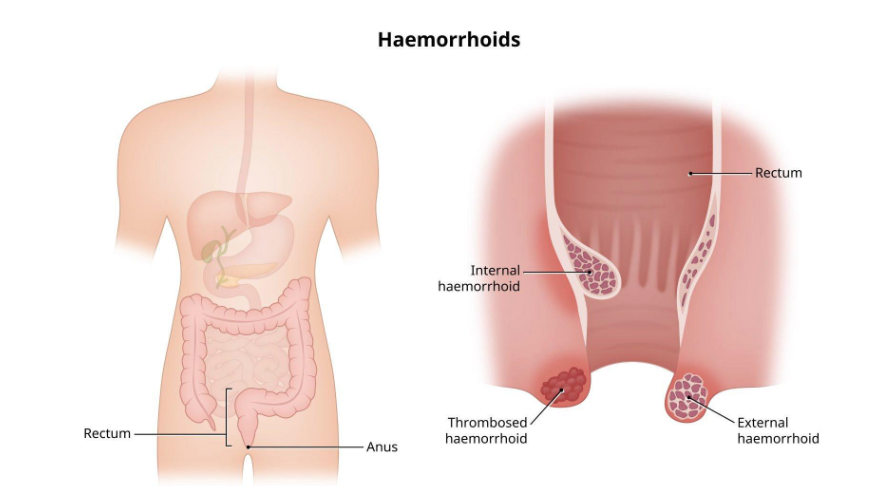
Piles are swollen veins within the rectum and anus. They result from straining too much during stool movements. Infrequent motions, hard stools and constipation which are often due to low fibre diets as well as dehydration and processed foods are the primary causes.
In many early-stage cases, piles can be managed or even improved significantly with a diet plan for piles patients. That’s why doctors often start treatment by addressing diet first.
Why Diet Has a Direct Role in Piles
The rectum is full of veins and when we strain too much during a bowel movement, these veins swell. If this continues, they bulge and form piles.
Constipation, low fibre and dehydration are the main culprits. A high-fibre Indian diet for piles softens stools, reduces straining and promotes healing.
What to eat for hemorrhoids?
A proper piles treatment diet should support smooth bowel movements and prevent constipation. Here is what I advise most of my patients.
1. Fibre Rich Foods: You need both soluble and insoluble fibre in every meal. Fibre helps stool form properly and move easily.
- Whole grains- Oats, daliya and brown rice are excellent.
- Eat green vegetables- Tori, Lauki, and palak as well as carrots.
- Legumes- Toor dal and moong dal are good for the gut.
- Fresh Fruits- Apple (with skin), papaya, gauva and banana.
- Seeds- Chia seeds, Flax seeds
If you eat chapati, try mixing wheat flour with chana sattu.
2. Drink Enough Water: Fibre alone won’t help unless your body has water. If you’re constipated despite eating fibre, dehydration may be the reason. Drink around 10 glasses of water daily.
3. Buttermilk and Curd Great for your gut. They help with digestion. Add a pinch of roasted jeera. Easy on the stomach, and cools the system.
4. Ghee, just half a teaspoon, eases motion. You can add it to your dal or rice for better digestion.
5. Isabgol: Works well if taken with warm water at night.
6. Soaked figs and raisins in the morning often help regulate motion.
Foods to avoid in Piles
Certain foods worsen constipation or irritate the rectal veins. If you want your Indian diet plan for piles to work, avoid these:
1. Spicy, Fried, and Oily Foods
Pickles, deep-fried snacks, and heavily spiced food increase burning and inflammation. They also cause loose motion in some patients, which worsens external piles.
2. Excess Non-Veg
Red meat and even oily chicken preparations can delay digestion. These meals sit heavily in the gut causing bloating and pressure in the lower abdomen.
3. Refined or Packaged Foods
White bread, cakes, biscuits and instant noodles have almost no fibre. They may taste good, but they increase your risk of constipation.
4. Tea, Coffee and Colas
Caffeine dehydrates the system. One cup of tea is okay but more than that means you’re drying your intestines out.
5. Alcohol and Smoking
Alcohol affects your liver and weakens your blood vessels, including rectal veins. Smoking increases the risk of poor healing and pain.
Sample Indian Diet Plan for Piles Patients
Here’s a sample I give patients who visit me for piles home remedies, treatment of piles, piles treatment food to eat and support:
This diet plan for piles is gentle, clean, and works well with other piles home remedies and eating plans.
What About Anal Fissures?
Many patients confuse piles with fissures. A fissure feels like a sharp cut during motion, often with bleeding. Unlike piles, fissures are usually due to a sudden tear in the anal lining from hard stool.
For fissures, following a diet for piles and fissures is equally important as a high-fibre and water-rich diet helps soften stools and reduce pain.
Final Thoughts
The majority of cases of piles can be controlled at an early stage with the correct Indian diet plan for piles and lifestyle changes. Even after surgery diet plays an important role in preventing recurrence.
Don't delay consulting a doctor if symptoms persist. To receive expert advice and safe treatment, seek out the best general surgeon in Gurgaon and offer individualized advice and advanced treatments to guarantee lasting relief. By timely anal fissure treatment and the proper diet the piles can be controlled efficiently.
FAQs Diet Chart for Piles Patient
1. Can I eat rice if I have piles?
Yes. Prefer semi-polished or brown rice in small quantities.
2. Are bananas good for piles patients?
Yes. Ripe bananas help soften stool. Raw banana should be avoided
3. Is fasting safe with piles?
Yes, If you can stay hydrated and eat fruits or fluids and do not dry fasts if you’re constipated.