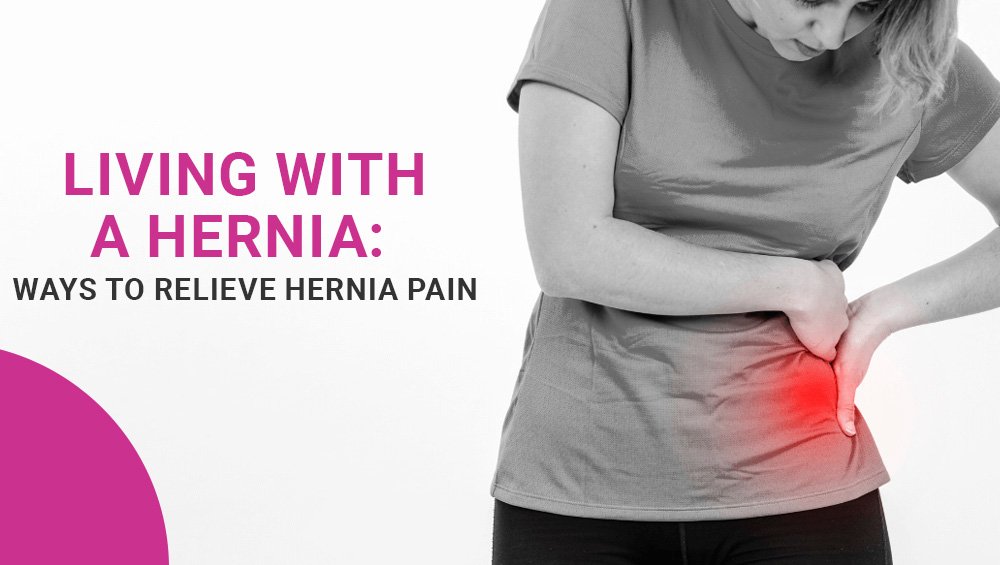
Living with a hernia isn’t always about visible symptoms. I’ve had patients walk in with years of discomfort—some mild, some persistent. Others came in because a dull ache started interfering with work, sleep, or daily routine.
As a best general surgeon in gurgaon, I believe hernia pain should never be normalized. It may start as a minor pull or burning sensation. This article will help you understand what causes that pain, and more importantly, ways to relieve hernia pain in day-to-day life—safely and practically.
What Makes Hernia Pain Worse?
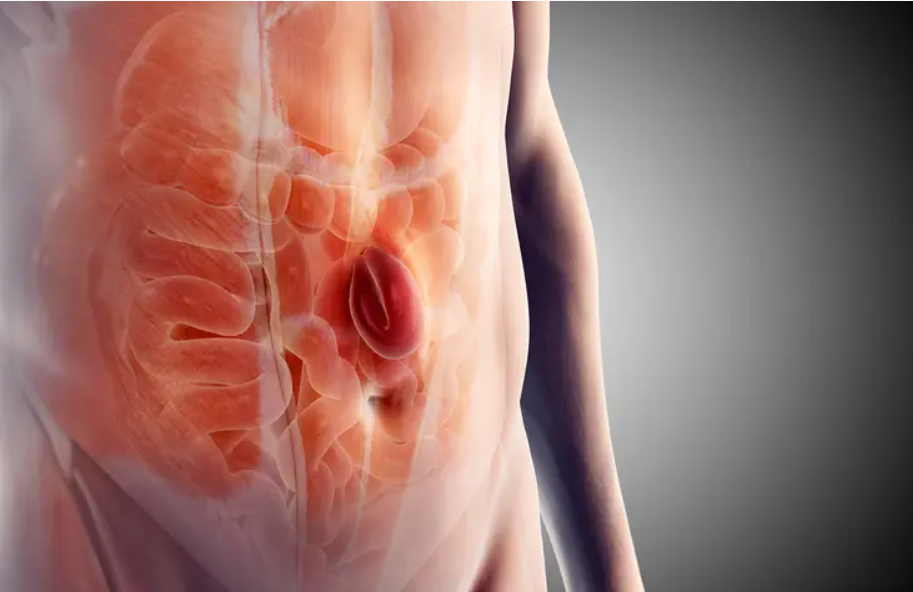
A hernia forms when something inside—like fat or intestine—pushes out through a weak spot in the muscle. The pain? It doesn’t always shout. But it speaks up when there’s pressure.
Standing too long. Bending. Lifting. Coughing hard. Even pushing too much in the toilet—it all adds up. Some days hurt more. Some feel okay. That’s how hernias are. But they don’t fix themselves.
Types of hernias I frequently treat include:
- Inguinal (groin region)
- Hiatal (stomach Pushing into chest)
- Umbilical (near the belly button)
- Incisional (past surgical scars)
The pain doesn’t always match the size. I’ve seen small hernias cause significant pain and large ones that hardly hurt—until they’re complicated.
Pain often signals stretching or pressure on nerves or surrounding structures. It’s the body’s way of warning that the muscle layer is no longer holding everything in place.
Ways to Relieve Hernia Pain Without Surgery
1. Avoid Heavy Lifting
This is the most common trigger. When you lift, intra-abdominal pressure rises sharply. It worsens bulging and strains the herniated area. If lifting is unavoidable, keep the object close, don’t bend from the waist, and exhale during the effort.
2. Using Hernia belt and trusses
Support belts help reduce pressure temporarily, especially for groin or abdominal hernias. But they’re not a cure. Use them with breaks. Don’t wear them to bed or for more than a few hours straight. And they should never be painful or tight.
3. Treat Constipation Seriously
Constipation is often ignored, but it increases abdominal stress. Add fiber-rich foods like oats, bananas, papaya, and cooked vegetables. Drink 2–3 liters of water daily. In stubborn cases, I recommend mild stool softeners for short durations.
4. Wear Loose Clothing
Anything tight around the waist (belts, shapewear, jeans) can increase pressure on the hernia site. Especially with a hiatal hernia, compression makes acid reflux worse. Patients feel bloated or nauseous after meals.
5. Weight Reduction (If Overweight)
Even losing 5–7% of body weight helps. Less weight means less push on weak muscles. I've seen patients report better pain control just by shedding belly fat over 3–4 months.
Home Remedies That May Help
These aren’t cures, but they may bring temporary relief.
Don’t try massages or home “pushing” techniques. They can worsen the condition.
Warning Signs You Should Never Ignore
There are times when pain means something more serious.
Here’s when to see a doctor immediately:
- The bulge becomes hard and painful
- You feel nauseated or vomit without relief
- There's a fever or abdominal swelling
- No bowel movement or gas for 24+ hours
- The hernia won't go back in when lying down
These signs may indicate strangulated hernia or intestinal blockage. I’ve had emergency cases come in after waiting too long. If in doubt, seek help.
The Definitive Cure: Hernia Surgery
Temporary relief is helpful. But let’s be honest—no amount of home care closes the muscle gap. The only real solution is hernia surgery.
Depending on the case, we choose between:
Mesh is commonly used to reinforce the wall and reduce recurrence. Every patient is assessed carefully before surgery—your age, medical conditions, lifestyle—all matter in the decision.
Dr. Sandhya’s Note to Patients
I’ve performed hundreds of hernia surgeries in the last decade. I always tell my patients—it’s better to act early when the hernia is small, and the tissue is healthy. You’ll recover faster and face fewer complications.
If you’re not ready for surgery, that’s okay. But don’t stay silent about pain. Let’s talk, examine, and make a plan. Delaying help can risk your health. Timely repair is simple, effective, and safe in experienced hands.
I offer both in-clinic and online consultations. Whether you need a diagnosis, a second opinion, or full treatment, I’ll guide you.
Conclusion
Hernia pain can be a major disruption to your daily routine however, proper management, when done properly advice can make a difference. Lifestyle changes and home remedies might provide relief for a short time, however the ultimate solution is through hernia surgery.
To ensure safe, precise and efficient treatment, visit Dr. Sandhya Gupta. She is the best general surgeon in Gurgaon with over 15 years of experience in treating hernias. With her expertise, you can be assured of the painless recovery you deserve and long-term relief, assuring your safety and comfort each step of the way.