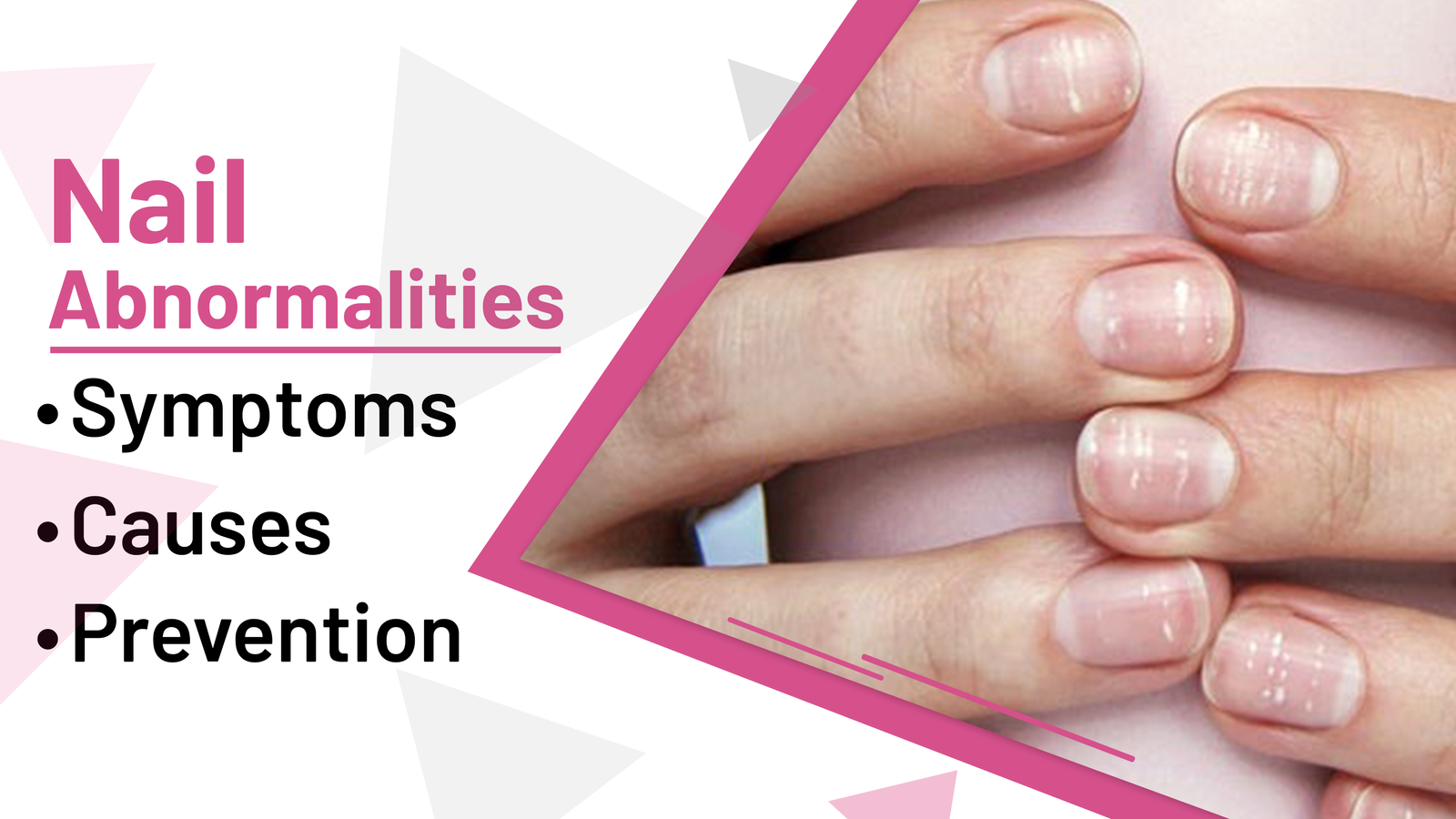
Let’s be honest—most people don’t really think about their nails unless they break one or chip their polish. But nails are more than cosmetic. I’ve seen this too often—a small issue that looked harmless turns out to need real treatment. It’s not always serious, sure. But sometimes, it’s more than just a hangnail or rough corner.
I’ve had patients walk in with a sore toe from a tight shoe and leave needing a minor nail disease treatment. Your nails can quietly show what’s going on inside your body. That little pain you get when you wear shoes? That red, swollen corner you keep ignoring? It’s not always nothing.
Symptoms You Shouldn't Ignore
These are signs I usually ask about or see during an exam. Some look small but hint at bigger trouble:
- Nails getting thick
- Yellow, green, or even black discoloration
- Nails that split, peel, or break often
- Ridges (either going across or straight up)
- Little dents on the surface
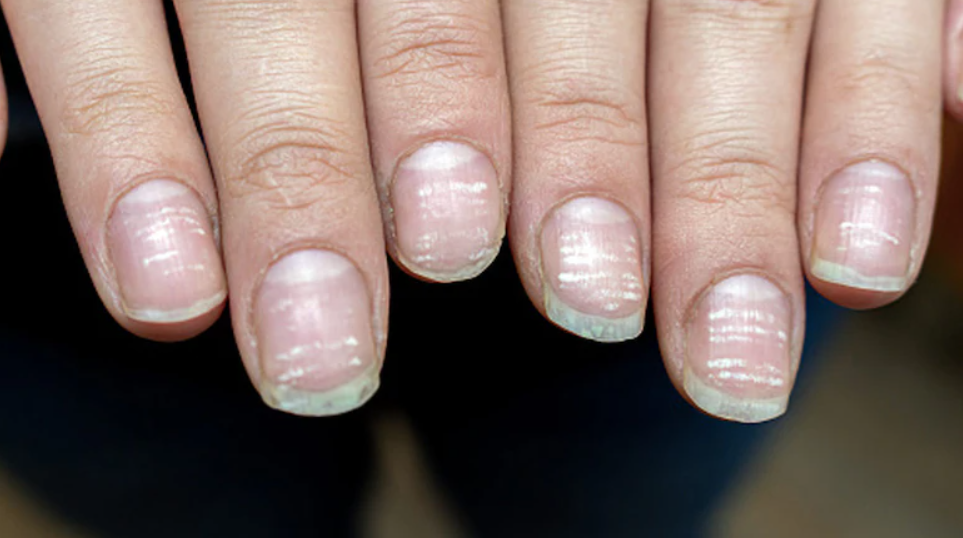
- White spots or streaks
- Nail pulling away from the skin
- Sharp nail corners causing pus or pain
- Bruises under the nail from hitting or pressure
- Rounded fingertips with bulging nails (clubbing)
- Brown or black lines under the nail
Each of these can mean different things. One patient had a tiny corner digging in for weeks. It turned into an infection. Another thought their yellow nail was fungus, but it was actually an injury. Early treatment helps avoid all this.
Causes of Nail Changes
It’s never just one reason. I ask a lot during the consultation. Here are a few usual suspects:
Ingrown Nails - Probably the most common I treat. Usually from trimming too deep or wearing shoes that squeeze. The nail edge breaks the skin, swells up, and sometimes gets infected. If there’s pus, or pain while walking, a quick nail surgery helps.
Nail Injuries - Happens more than people admit. Door slams. Dropped weights. Sports falls. These can cause bleeding under the nail (subungual hematoma), or cracks. Sometimes the damage is deep, and you’ll need a part of the nail removed to heal properly.
Fungal Infections - Very common. Thick, yellow, brittle nails. Usually toenails. But here’s the thing—not all thick nails are fungus. That’s why guessing and using over-the-counter creams doesn’t work.
Psoriasis - Not always on the skin—sometimes just the nails. Causes small pits, ridges, or lifting. Gets mistaken for other things. But the treatment’s different.
Thyroid Problems - Overactive or underactive thyroid can affect nail growth. You’ll often see slow growth or brittle nails. Sometimes they lift off the bed.
Iron Deficiency - If your nails dip inward or look like tiny spoons, it could be low iron. Subtle, but worth checking.
Poor Nutrition - Low protein, B12, zinc, or biotin can make nails weak. People on strict diets often see these signs.
Common Nail Deformities
These aren’t just cosmetic. Left untreated, they cause pain or infection.
- Ingrown Toenails – Nail digs into the skin. Swells. Hurts to wear shoes. For recurring cases, we remove just the problem part under local anesthesia.
- Subungual Hematoma – Blood under the nail. If caught early, we release the pressure. Old ones might need nail removal.
- Onycholysis – Nail lifting from the skin. It can happen from trauma, fungus, or medical conditions.
- Onychogryphosis – Thick, horn-like nail. Often in elderly patients. Needs regular trimming or surgery.
- Pincer Nails – Nail curves sharply in. Causes pressure and sometimes wounds.
- Nail Dystrophy – Irregular, bumpy, or split nails from repeated injury. Needs protection or repair.
Don’t wait until the pain makes walking hard. Once there’s pus or pressure, it’s too late for home care.
When to See a Doctor
If the nail’s painful, swollen, leaking pus, or keeps getting worse, it’s time. Two weeks without improvement is a sign. If you’ve had a toe injury and there’s still pain after a few weeks, get it checked. And don’t try cutting out your ingrown nail at home. It usually ends up worse.
Also, if the nail is black and not growing out—or if it smells bad or has pus—it could be infected or damaged deep inside. We can drain it or trim it properly to let it heal.
Treatments That Actually Work
Every nail problem needs its own approach. I don’t use a “one-size” method.
- Ingrown Toenails – Early cases need warm soaks and proper shoes. But if it’s chronic or infected, we remove the corner under local anesthesia. Quick, clean, low-pain.
- Hematomas – Fresh ones? A small hole to drain blood gives fast relief. Older ones? We might need to lift or remove the nail.
- Fungal Nails – Thick, yellow nails won’t clear with creams alone. Pills often work better. Sometimes we file the nail to help the meds go deeper.
- Psoriatic Nails – Sometimes need injections, other times oral meds or ointments.
- Damaged Nails – If the nail is deformed and painful, and won’t grow right, we can remove it. Cleanly, safely, and permanently if needed.
Final Thoughts
Your nail problems don’t shout when something’s wrong. They whisper. A strange color. A sore edge. A line you’ve never seen before. These small signs usually show up before the real pain begins. Don’t ignore them.
A nail digging in isn’t going to “grow out.” It usually gets worse. That bruise under your toe from months ago? It might still be bleeding underneath. And that thick, curved nail that keeps cracking socks? It needs help.
You don’t need perfect nails. Just pain-free ones. Ones that don’t make you limp or wince when wearing shoes. That’s what I work for—and that’s what I want for every patient who walks through my clinic doors.
If you're facing nail or foot-related issues, consult Dr. Sandhya, widely regarded as the best general surgeon in Gurgaon, for expert evaluation and treatment.