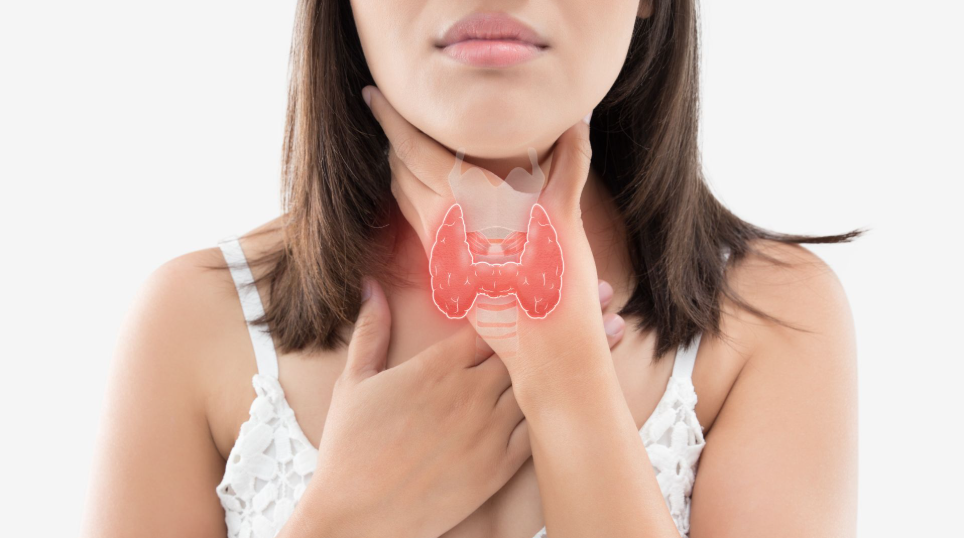
You feel tired all the time, gain weight without eating more, or notice your heart racing and moods swinging for no clear reason. It might not be just stress — it could be your thyroid. This small butterfly-shaped gland in your neck plays a major role in how your body functions. When it’s off balance, everything from your energy to your emotions can be affected — sometimes in ways that are easy to miss. In some cases, thyroid disease surgery becomes necessary to restore normal function and improve overall health. Whether you're searching for early signs of thyroid problems or wondering when surgery is necessary, understanding the condition is key.
As a General surgeon for thyroid in Gurgaon, I treat patients who don’t realize their symptoms relate to their thyroid. That’s why I wrote this. To help you spot thyroid disease, know its causes, spot early thyroid symptoms, and see how to know if you need thyroid surgery.
What Is Thyroid Disease?
Your thyroid makes hormones that regulate your metabolism. When that system breaks, things go off track. Problems include:
- Hypothyroidism – Too little hormone.
- Hyperthyroidism – Too much hormone.
- Thyroid nodules – Lump(s), often harmless but sometimes not.
- Thyroid cancer – Rare, but needs prompt action.
- Goiter – Swelling of the gland.
Some of these are silent. They creep in over time. That’s why I always advise seeing a doctor if something feels off.
What Causes Thyroid Disease?
In my clinic, I see these causes most often:
1. Autoimmune conditions
- Hashimoto’s in hypothyroid cases
- Graves’ disease in hyperthyroid cases
2. Iodine imbalance
- Too little or too much can trigger issues
3. Family history
- Genetics play a big role
4. Radiation exposure
- Neck x-rays or past treatments can impact the gland
5. Growth in the gland
- Many are harmless; a few need removal
Spotting Thyroid Symptoms
In my clinic, most patients don’t walk in saying they suspect a thyroid disease. They come in with scattered complaints that don’t seem connected — until you look closer. These are also commonly reported thyroid symptoms in women, although men experience them too.
Here are some early signs I often discuss during evaluations:
-
Tiredness that doesn’t go away
You sleep through the night, yet wake up feeling like you never rested. This isn’t regular tiredness — it lingers through the day and affects your ability to focus.
-
Feeling too hot or too cold
Some women tell me they feel chilled in warm weather. Others sweat excessively, even while resting. These changes in temperature tolerance are usually overlooked.
-
Unexplained weight changes
If you’re gaining weight even though you haven’t changed your diet — or losing weight too fast — the thyroid may be out of sync.
-
Changes in mood or mental clarity
Some patients mention they’ve been more anxious than usual. Others talk about feeling dull, low, or disconnected. Many blame stress, but the thyroid can be the reason.
-
Hair thinning and skin dryness
If your hair is falling more than usual, or your skin feels dry despite moisturizing, this may be a signal. It’s often dismissed as weather-related, but I check thyroid levels in these cases.
-
Heart rhythm irregularities
A rapid heartbeat, palpitations in the chest, or skipped beats — especially while resting — can be a sign of a hormone imbalance.
-
Digestive irregularities
Sluggish digestion or sudden frequency in bowel movements may relate to thyroid function. I’ve seen patients who thought it was just food sensitivity.
-
Swelling in the neck
A visible fullness or lump at the base of your throat, especially when you swallow, needs to be examined. It may be a nodule or an enlarged thyroid.
-
Hoarseness or voice strain
Some people notice their voice becomes rough, or they need to clear their throat often. This can happen if the gland presses on the voice box.
-
Difficulty swallowing or pressure in the throat
A feeling like something is stuck, or mild pain while eating, can be due to thyroid enlargement, especially goiters.
How We Diagnose It
- Blood tests – TSH, T3, T4 levels, and autoimmune markers
- Ultrasound – To map nodules or gland size
- Fine Needle Aspiration (FNA) – To check suspicious nodules
- Radioactive iodine test – In some hyperthyroid cases
We do most of these on an outpatient basis. You don’t need to prepare much. Results often come back in a day or two.
Treatment Options for Thyroid Disease
Medical Therapy
- Hypothyroid? You’ll likely take a daily pill (T4).
- Hyperthyroid cases get medications to slow hormone production and ease symptoms.
Radioactive Iodine
- It shrinks an overactive thyroid.
- Often, a single capsule, with a few weeks of healing time.
Diet & Lifestyle
- Iodine-rich foods help—but only after testing.
- Too much can be harmful. So can supplements without guidance.
If you're looking for thyroid disease treatment in Gurgaon, we offer a complete solution — from diagnostics to personalized medical plans.
When Surgery Is Needed
Here are the reasons we opt for thyroid surgery:
- If cancer is detected
- Large goiters that press on the airway or swallowing
- Single nodules that cause symptoms or have a cancer risk
- Resistance or side effects from medication
Still wondering how to know if you need thyroid surgery? These are the typical cases we consider for surgical intervention.
After Thyroid Surgery: What to Expect
Usually, patients go home in a day. Some feel a bit sore. A gentle neck pillow or soft collar helps.
Unless you’ve had your full thyroid removed, you may need lifelong medication. You will be advised to take tablets daily and monitor levels regularly.
Voice changes or low calcium are rare. But they can happen. That’s why surgery needs to be done carefully.
Why Have Trust in Me?
I’m Dr. Sandhya Gupta, the best general surgeon in gurgaon. I’ve been doing thyroid work for years. I’ve handled everything from simple goiters to complex cancers.
I make sure you know exactly what’s next—no surprises. We talk about your tests, results, risks, and benefits. I want you to feel in control of your care.
My clinic handles testing, diagnostics, medicine, and surgical care. It’s all under one roof. That means fewer delays, less stress, and better results. You can book an appointment easily for a complete evaluation and care.