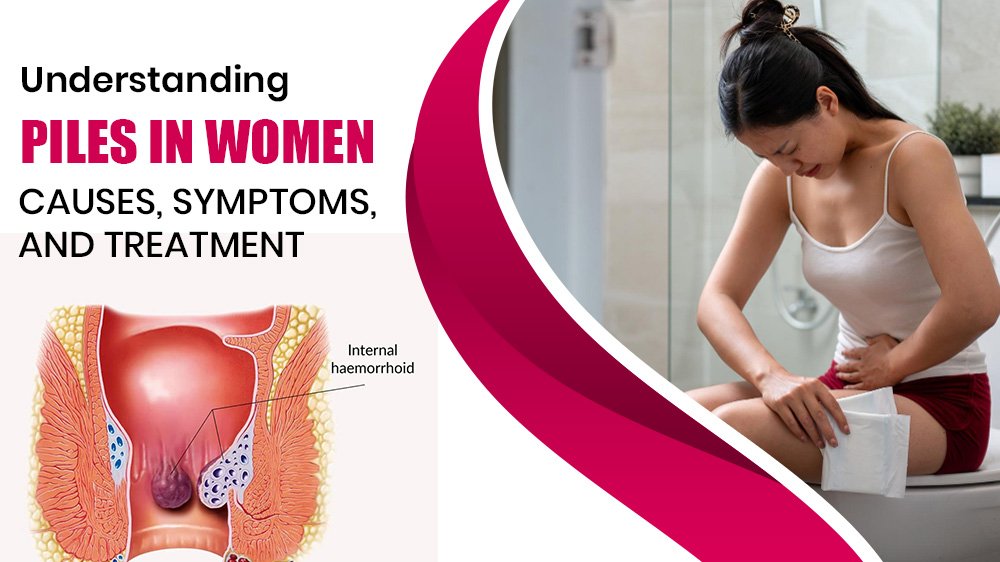
Haemorrhoids, commonly known as piles, are a problem that affects millions of women around the world. Although it is a very common problem, women's piles are typically not addressed openly and can cause delays in the treatment. In India, approximately 40% of the patients suffer from piles at certain times in their lives. They are accompanied by women at greater risk in pregnancy, post-birth or because of hormonal changes.
Understanding the reasons behind the growth of piles among females, and identifying the early indications and treatment options, such as surgery for piles will assist women to manage this issue effectively.
What Does ‘Piles’ Mean for Women?
Piles are swollen veins within the lower rectum as well as the anus. They can trigger pain, bleeding and discomfort during bowel movements. Female hemorrhoids can be caused by constipation, pregnancy, or other lifestyle related factors. While mild cases may be managed by medications or home remedies, more severe cases could require surgery to remove the piles by a specialist general physician in Gurgaon or other cities.
Types of Piles in Women
Women are likely to suffer from two principal forms of haemorrhoids:
- Internal Piles – These form within the rectum and tend to be painless but bleed. Extreme piles are more likely to prolapse, that is, extend beyond the anus, giving rise to pain.
- External Piles – Located beneath the skin near the anus, these may be painful, itchy, and are seen as lumps or swelling.
Piles are also graded (1–4) based on severity, ranging from bleeding piles to large prolapsed piles, which most of the time need surgical treatment.
Symptoms of Piles in Female Patients
Symptoms of piles in females may be variable based on severity:
- Red bleeding that is bright in the bowel or following bowel movements
- Burning or pain in the area
- Itching or irritation
- The area of swelling or lumps is near the anus
- The discharge of mucus
- Protrusion of piles outside the anus
- Sensation of incomplete bowel evacuation
Early detection of the above symptoms can guide the selection of effective treatment and prevention of complications.
Causes of Piles in Female Patients
The cause of piles in female patients is commonly attributed to increased pressure in the rectal veins. Some common risk factors are:
- Pregnancy and Childbirth: Pelvic venous pressure due to increased pressure and hormonal influence
- Chronic Constipation: Pushing to Pass stool
- Prolonged Sitting: Mainly on the toilet
- Obesity: Additional abdominal pressure on the veins
- Low-Fibre Diet: Causes constipation and straining
- Heavy Lifting: Venous pressure is increased
- Genetics: Hereditary history of hemorrhoids
Determining these causes assists women in taking preventive measures and dealing with prevailing symptoms accordingly.
How Are Piles in Women Diagnosed?
A general surgeon in Gurgaon or any other city may diagnose piles with:
- Medical History & Physical Exam: History of symptoms and their duration
- Digital Rectal Examination or DRE: Examination of internal piles
- Anoscopy: Visualization of the inside of the anal canal
- Sigmoidoscopy or Colonoscopy: In severe bleeding or complications
These examinations also help eliminate other conditions with similar symptoms.
Treatment Options for Female Hemorrhoids
Treatment varies with intensity. Choices range from:
1. Home-Based Medicines and Care
- Topical creams and ointments
- Suppositories for internal piles
- Sitz baths for soothing relief
2. Minimally Invasive Treatments
- The rubber Band Ligation: Blocking the supply of blood to internal piles
- Sclerotherapy: Injecting a shrinking solution into the piles
- Infrared Coagulation: Using infrared light to shrink piles
3. Piles Surgery Option
- Hemorrhoidectomy: Removal of surgical piles in severe cases
- Stapled Hemorrhoidopexy: Less invasive, staples the piles back in their correct position
- Laser Piles Surgery: Less invasive, quicker recovery and less pain
A good Gurgaon general surgeon can decide the most appropriate treatment depending on the condition of the patient.
Natural Remedies for Piles in Women
Mild hemorrhoids in women can be treated with natural remedies:
- Warm Sitz Baths: Irritation eased and swelling reduced
- Cold Compresses: The pain lessens, and numbness is due to
- Aloe Vera and Coconut Oil: Calming and anti-inflammatory
- Witch Hazel: The effects include swelling and itching. diminished
- Hydration and a High-Fibre Diet: It reduces Constipation
- Regular Exercise: Healthy bowel function ensured
While these treatments may help with symptoms, serious piles require medical treatment.
Preventing Piles in Women
Preventive measures are:
- Consuming a high fibre diet such as fruits, vegetables and whole grains
- Drinking sufficient water every day
- Regular exercise
- Avoiding straining at bowel movements
- Practicing proper anal hygiene
- Controlling weight
- Special pregnancy and post-childbirth care
By doing these steps, females can prevent the development of piles and promote rectal and anal health.
Conclusion
Women with piles are commonly observed but are often ignored health issue that can significantly impact their confidence and comfort. They can be caused by hormonal fluctuations or pregnancy, diet and lifestyle and there are a myriad of causes for why they appear. The good aspect is that, when they are diagnosed early, changes to lifestyle and medical treatment, such as piles treatment, the piles can control or completely cure.
Women shouldn't overlook signs such as pain, itching or bleeding during stool passage. The earlier treatment of these issues reduces the likelihood of complications and improves the level of quality of living. From basic remedies to surgical procedures that are invasive to advanced laser treatments treatment options, the treatment options for hemorrhoids are nowadays much better and far more comfortable than in the past.
If you see frequent symptoms, consulting a best general surgeon in Gurgaon such as Dr. Sandhya Gupta, who has over 15+ years of experience. Be aware that piles aren't something that you need to suffer from. alertness, quick intervention and proper care will bring you to a place of peace and confidence and free you from suffering.
FAQs About Piles in Women
1. What are the typical symptoms of piles in women?
Bleeding on passing stools, pain, itching, swelling, discharge of mucus and sagging are typical symptoms.
2. What are the typical causes of piles in women?
The effects of childbirth, pregnancy, constipation, hormonal fluctuations, being overweight or sitting for a prolonged duration of time, a low fiber intake and heredity are all common causes.
3. How are piles in women diagnosed?
By history, clinical examination, digital rectal examination, anoscopy and in certain situations, sigmoidoscopy or colonoscopy.
4. Is surgery for piles painful?
Techniques that are advanced, like laser piles surgery as well as stapling are less painful and offer faster recovery.