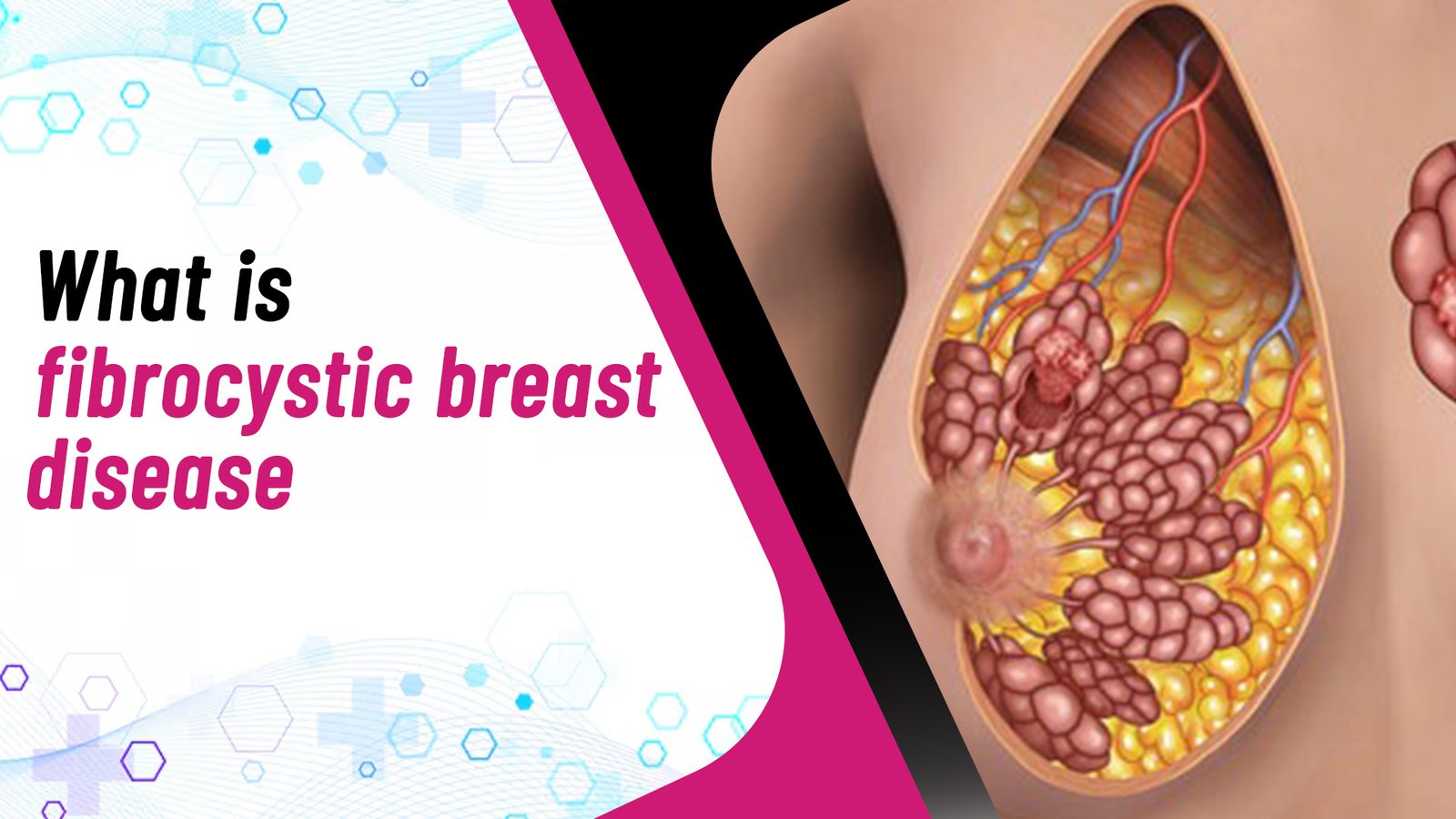
Fibrocystic breast disease (also called fibrocystic breast changes) is a benign condition marked by breast lumps that are occasionally tender to touch, and areola swelling which changes with hormonal levels. Despite its naming, it is not a disease but rather a benign condition of the breast that impacts a considerable population of women aged 30-50 years.
In this blog, we will help you understand the causes and symptoms of fibrocystic changes, how doctors make a diagnosis, what treatment options are available, and when one should consult a health professional to relieve discomfort associated with these changes.
What is Fibrocystic Breast Disease?
The condition is very common and causes the breasts to become lumpy, tender or swollen. It usually happens before menstruation. This condition is harmless and does not cause serious health problems. However, some women may find this uncomfortable.
This is a problem that affects over half of all women aged between 30 and 50. Some women are not aware of the symptoms. It is important to have regular doctor and self-examinations.
Symptoms of Fibrocystic Breast Disease
Women who have fibrocystic changes in the breast - a form of benign breast disease - describe all or some of these symptoms. The symptoms usually subside within a few days.
- Areas that are thicker or lumpier
- Breast tenderness or pain
- The size of lumps or lumps can change with menstruation
- Dark or greenish nipple discharge (non-bloody)
- Breast swelling or fullness on one or both sides
The lumps are usually smooth and somewhat mobile. The size of the lump can also change from month to month. Symptoms can affect both breast, but often one breast is more troublesome than the other.
Causes of Fibrocystic Breast Changes
The cause of fibrocystic change is not definitively established but acute hormonal alteration, and specifically estrogen increase, is thought to be involved. Estrogen triggers growth in the breast tissue, followed by fibrous and cystic changes.
Some risk factors can increase the risk for developing fibrocystic disease changes:
- Variations in menstrual cycles
- Family history of benign breast conditions.
- Use of hormone replacement therapy (HRT)
- High intake of caffeine (controversial but cited in some studies)
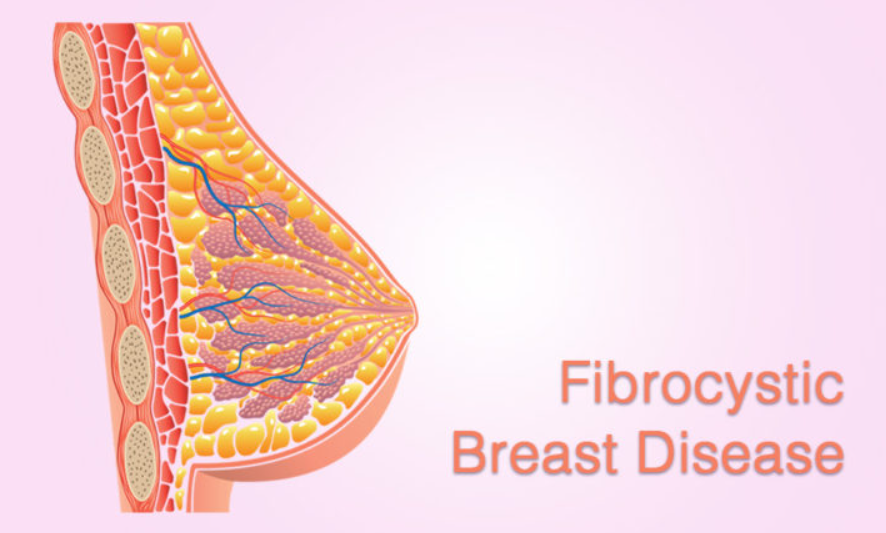
Diagnosis of Fibrocystic Breast Disease
If there is any new lump or determine breast pain, immediately contact a health professional to clarify the problem.
Clinical Breast Exam
- During the exam, your doctor checks your breast for painful areas or any fluid or lumps.
Imaging Studies
- Breast Ultrasound: Distinguishes between lumps and cysts that contain fluids.
- MRI: May be used in complex situations and among patients with a strong family history of breast cancers.
- Mammogram: Screens for suspicious changes in the breasts such as new shadows or calcifications.
Fine Needle Aspiration or Biopsy
- If a cyst does not go away or does not seem normal, your doctor can remove some of the fluid (aspiration) or some tissue (biopsy) for further examination.
How Is Fibrocystic Breast Disease Controlled?
Apart from monitoring changes, medical attention is not advised until problems arise for individuals with fibrocystic breast changes. Most people with this condition will not require medication, and if they do, it is only for symptom relief.
Common Treatment Strategies Include:
- Wearing a Supportive Bra: Preventing movement of the breast is made possible through the use of well fitted supportive bras which assists in reduction.
- Using Warm or Cold Compresses: Warm or cold packs not only aid in reduction of pain, but they also relieve swelling, particularly during episodes.
- Pain Relief Medication: Both ibuprofen and acetaminophen effectively dull soreness and pain and so do relieve general discomfort.
- Dietary Changes: Cutting down on caffeine, salt and fatty foods is known to aid in relief of symptoms, however, evidence to back this is sparse.
- Hormonal Therapies: Treatment under supervision is accessible for women undergoing severe breast pain which is part of a cycle.
How Is Fibrocystic Breast Disease Treated?
As with most medical diagnoses, fibrocystic breast changes does not need any further action. They do, however, need minimal care to aid the self-perceived discomfort women undergo, especially in the premenstrual phase.
Lifestyle Modifications
The following self-care strategies can relieve breast discomfort and tenderness for many women:
- Relievers of discomfort due to breast tenderness and soreness can be alleviated with Advil or Tylenol.
- A good/ supportive bra can ease tenderness resulting from breast soreness by relieving the pressure on breast tissue.
- A heating pad and cold packs enclosed in cloths can be helpful by soothing the soreness.
Changes to the Diet
A few women say some symptoms go away when they cut down on caffeine, exercise, or make diet changes. These claims are, however, unsupported by scientific research:
- Reducing caffeine intake
- Following a low-fat diet
- Taking fatty acids and supplementing evening primrose oil
These are safe ways but are not fully tried yet, so they cannot be promised to work. Try them out first and observe what your body does, then discuss diet with your doctor.
Is Fibrocystic Breast Disease Linked to Cancer?
A lot of women worry about breast lumps or pain turning into breast cancer. The good news is: with fibrocystic breast disease, you don’t need to worry about breast cancer developing.
Fibrocystic changes are noncancerous, and there are no risks of developing breast cancer. Even though breast tissues feel dense, lumpy, or irregular, there is no risk while performing breast self-exams or mammograms. The dense breast tissue could potentially hide changes or abnormalities, aiming to simulate dense breast tissue, so any new lumps should be checked out by a breast cancer expert.
Sometimes, a biopsy of fibrocystic tissue may reveal atypical hyperplasia which is the opposite of fibrocystic changes. Women with atypical hyperplasia need to be monitored because of slight risks of developing breast cancer. But the good news is the majority of women do not need to worry about fibrocystic changes without cellular changes.
If you do notice any unusual changes to your breast, be proactive and tell your doctor about it, having an early evaluation is the best option.
When to Seek Medical Attention
You should talk to a doctor or a specialist about fibrocystic breast disease if you observe the following:
- A different lump that feels new compared to your breast tissue
- A lump that lasts longer than your menstrual cycle
- Discharge from the nipple that is clear or contains blood
- The breast has the redness or has the dimpling or puckering
- A stubborn or increasing menstrual unrelated breast pain
Make sure that you get evaluated as soon as possible if you experience the symptoms above. Early evaluation is helpful to rule out other conditions associated with breast and breast cancer.
Conclusion
Breasts of women who suffer from fibrocystic diseases may cause discomfort for some, however they're not a concern for most. It is also recommended to take routine breast cancer exams. See a physician to discuss treatment options if your symptoms are distressing or disruptive.
A visit to a doctor who is specialized in breast health is required if you're suffering from persistent breast pain, or abnormal lumps that are new or an urgent need for regular exam of the breasts.
Dr. Sandhya Gupta is the best breast surgeon in Gurgaon. She has 10+ years of experience in both diagnosing and treating breast disorders, benign or malignant. She is devoted to delivering holistic care in women’s healthcare. For all your breast health concerns or for any expert opinion, schedule your consultation with Dr. Gupta now and receive the care you need in a comforting environment.